
Title
[prkwp_styled_title prk_in=”For Neuromotor Functions:” align=”Left” text_color=”#8224e3″ title_size=”medium” use_italic=”No” gusto_show_line=”No”]
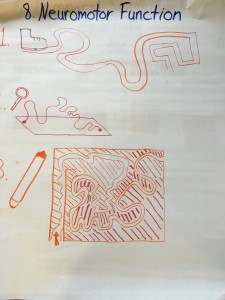
- Create a complicated path on the floor. Ask people to follow the path and to think of how easy or difficult it is for them to do so.
- Place papers with designs on the table with materials for coloring. Ask people to color in the design.
- Place calligraphy materials on the table and ask people to copy some words using calligraphy.
- Reflection: Which of these activities was easiest for you? What the most difficult? How does this reflect your strengths and struggles in other situations?

[prkwp_styled_title prk_in=”For Language:” align=”Left” text_color=”#8224e3″ title_size=”medium” use_italic=”No” gusto_show_line=”No”]
- What question(s) could you ask that would elicit the following response: “I can fish in Alaska.”
- How could you make the statement more semantically specific?
- Reflection: How challenging did you find this activity?

[prkwp_styled_title prk_in=”For Temperament:” align=”Left” text_color=”#8224e3″ title_size=”medium” use_italic=”No” gusto_show_line=”No”]
Learn about your sensory threshold.
- Wear headphones and listen to music while reading a book.
- Gradually turn up the volume.
- Note when the volume gets high enough to distract you from being able to concentrate on your book.
- Reflection: Does your auditory sensory threshold reflect your threshold for other senses and sensations? Visual clutter? Textures in your mouth? Textures against your skin? Brightness of lights?

[prkwp_styled_title prk_in=”For Spacial Ordering:” align=”Left” text_color=”#8224e3″ title_size=”medium” use_italic=”No” gusto_show_line=”No”]
- Listen to a recording of directions that use spatial vocabulary. For example, “Make a small circle on the upper right hand corner of the page.”
- Compare the mark you made to the answer key.
- Reflection: Are there other areas in your life when you have similar results when following spatial directions?

[prkwp_styled_title prk_in=”For Attention:” align=”Left” text_color=”#8224e3″ title_size=”medium” use_italic=”No” gusto_show_line=”No”]
- Watch the gorilla video (The Invisible Gorilla http://www.theinvisiblegorilla.com/videos.html).
- While watching, make a mark on your page each time you see someone passing the ball.
- Note the total.
- What else did you see? Did you happen to notice the gorilla?
- Reflection: What does this experiment tell you about attention? What got in the way of seeing the gorilla?

[prkwp_styled_title prk_in=”For Memory:” align=”Left” text_color=”#8224e3″ title_size=”medium” use_italic=”No” gusto_show_line=”No”]
- Prepare cards that describe different kinds of long-term memory and gives examples of each.
- Have people sort the cards according to how hard or how easy it is for you to use each kind of memory.
- Reflection: What are your memory strengths? Struggles? How do they affect your work or your schoolwork?
[prkwp_styled_title prk_in=”For Temporal Sequential Ordering:” align=”Left” text_color=”#8224e3″ title_size=”medium” use_italic=”No” gusto_show_line=”No”]
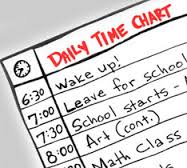
- Create a timeline with hours and minutes marked on them.
- Prepare post-its with different activities that are necessary for getting ready for scho0ol or for work.
- Show how much time you think each activity will take by placing the post-its on the timeline in the order you think they should be performed.
- Reflection: How might this activity relate to getting places on time? Did your experience of this match your experience of getting places on time.